
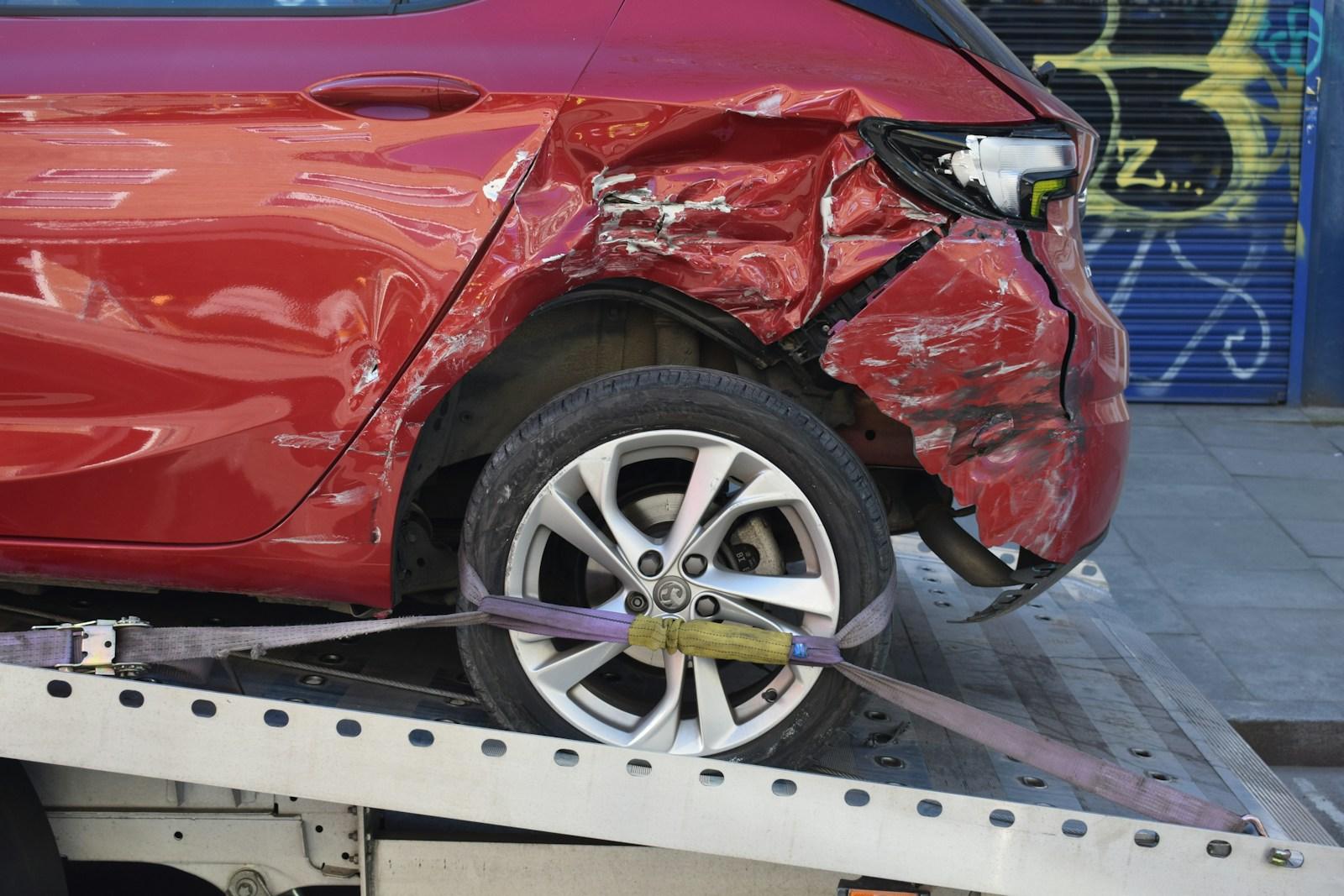
Auto insurance is essential for protecting yourself, your vehicle, and others on the road. The three most common types of coverage are liability, comprehensive, and collision. Each serves a different purpose, and choosing the right one depends on your car, your budget, and your lifestyle. This guide compares these coverages, highlighting their pros and cons so you can decide which fits you best.
Liability Coverage
Liability coverage is the foundation of auto insurance. It pays for damages or injuries you cause to other people in an accident. Most states require drivers to carry liability insurance as a minimum standard.
Pros of Liability Coverage
- Legal compliance: Liability coverage ensures you meet state requirements and avoid fines or penalties.
- Affordability: It is usually the cheapest type of coverage, making it budget friendly.
- Protection for others: It covers medical bills, property damage, and legal costs for people affected by your actions.
- Essential for all drivers: Even if you own an older car, liability coverage provides necessary protection.
Cons of Liability Coverage
- No protection for your own car: Liability does not cover repairs to your vehicle.
- Limited financial security: If damages exceed your coverage limits, you may pay out of pocket.
- Not enough for newer vehicles: Drivers with expensive cars may find liability coverage insufficient.
Liability coverage is best for drivers who want to meet legal requirements and keep costs low. It works well if you own an older car or drive infrequently, but it leaves gaps if you want protection for your own vehicle.
Comprehensive Coverage
Comprehensive coverage protects against non collision events. It covers damage from theft, vandalism, fire, natural disasters, and falling objects. Comprehensive is often paired with collision coverage for full protection.
Pros of Comprehensive Coverage
- Wide protection: It covers risks beyond accidents, such as storms or theft.
- Peace of mind: Knowing your car is protected from unexpected events reduces stress.
- Valuable for new cars: Comprehensive coverage helps protect investments in newer or high value vehicles.
- Required for financed cars: Lenders often require comprehensive coverage for vehicles under loan or lease.
Cons of Comprehensive Coverage
- Higher premiums: Comprehensive coverage costs more than liability alone.
- Deductibles apply: You must pay a deductible before coverage kicks in.
- Not always necessary for older cars: If your car’s value is low, comprehensive coverage may not be worth the cost.
Comprehensive coverage is ideal for drivers who want protection against unpredictable events. It is especially useful if you live in areas prone to theft, vandalism, or severe weather.
Collision Coverage
Collision coverage pays for repairs to your car after an accident, regardless of fault. It covers collisions with other vehicles or objects, such as guardrails or trees.
Pros of Collision Coverage
- Covers your own car: Unlike liability, collision protects your vehicle.
- Applies regardless of fault: You receive coverage even if you caused the accident.
- Valuable for newer cars: Collision coverage helps protect investments in vehicles with high repair costs.
- Required for financed cars: Lenders often mandate collision coverage along with comprehensive.
Cons of Collision Coverage
- Higher premiums: Collision coverage adds significant cost to your policy.
- Deductibles apply: You must pay out of pocket before insurance covers repairs.
- Not cost effective for older cars: If repair costs exceed the car’s value, collision coverage may not be worth it.
Collision coverage is best for drivers with newer or valuable vehicles. It provides financial protection for accidents but may be unnecessary for older cars with low market value.
Comparing the Three Coverages
When comparing liability, comprehensive, and collision, the differences become clear.
- Liability protects others but not your car.
- Comprehensive protects against non collision events like theft or weather.
- Collision protects your car after accidents.
Together, comprehensive and collision provide full protection, but they cost more. Liability alone is cheaper but leaves gaps. The right choice depends on your car’s value, your budget, and your risk tolerance.
Which Coverage Fits You
- Budget conscious drivers: Liability coverage may be enough if you own an older car and want to meet legal requirements.
- Drivers with new or financed cars: Comprehensive and collision are often necessary to protect investments and meet lender requirements.
- Drivers in high risk areas: Comprehensive coverage is valuable if you live in regions with high theft or severe weather.
- Drivers who want peace of mind: Combining liability, comprehensive, and collision provides the strongest protection.
Choosing coverage is about balancing cost with protection. Liability keeps premiums low, while comprehensive and collision provide broader security. Reviewing your car’s value, financial situation, and lifestyle helps you decide.
Liability, comprehensive, and collision coverage each serve different purposes. Liability protects others and meets legal requirements but does not cover your car. Comprehensive protects against non collision events like theft or weather damage. Collision covers your car after accidents, regardless of fault.
You learned the pros and cons of each type and how they fit different drivers. Budget conscious drivers may choose liability, while those with newer or financed cars often need comprehensive and collision. By comparing these options, you can select coverage that balances affordability with protection and ensures peace of mind on the road.





Leave a Reply