
It happened in a moment. You were driving home after a long day, thinking about dinner and the comfort of your couch. Suddenly, another car pulled out unexpectedly, and you felt the impact. The sound of metal against metal shook you, and your heart raced. You realized you were in an accident, and confusion set in. What should you do next? The following steps guide you through the process, helping you stay calm and handle the insurance side properly.
1. Stay Safe and Check for Injuries
The first priority after an accident is safety. Check yourself and passengers for injuries. If anyone is hurt, call emergency services immediately. Move vehicles to a safe location if possible, but only if it is safe to do so. Turn on hazard lights to alert other drivers. Staying safe ensures you can handle the next steps without added danger.
2. Call the Authorities
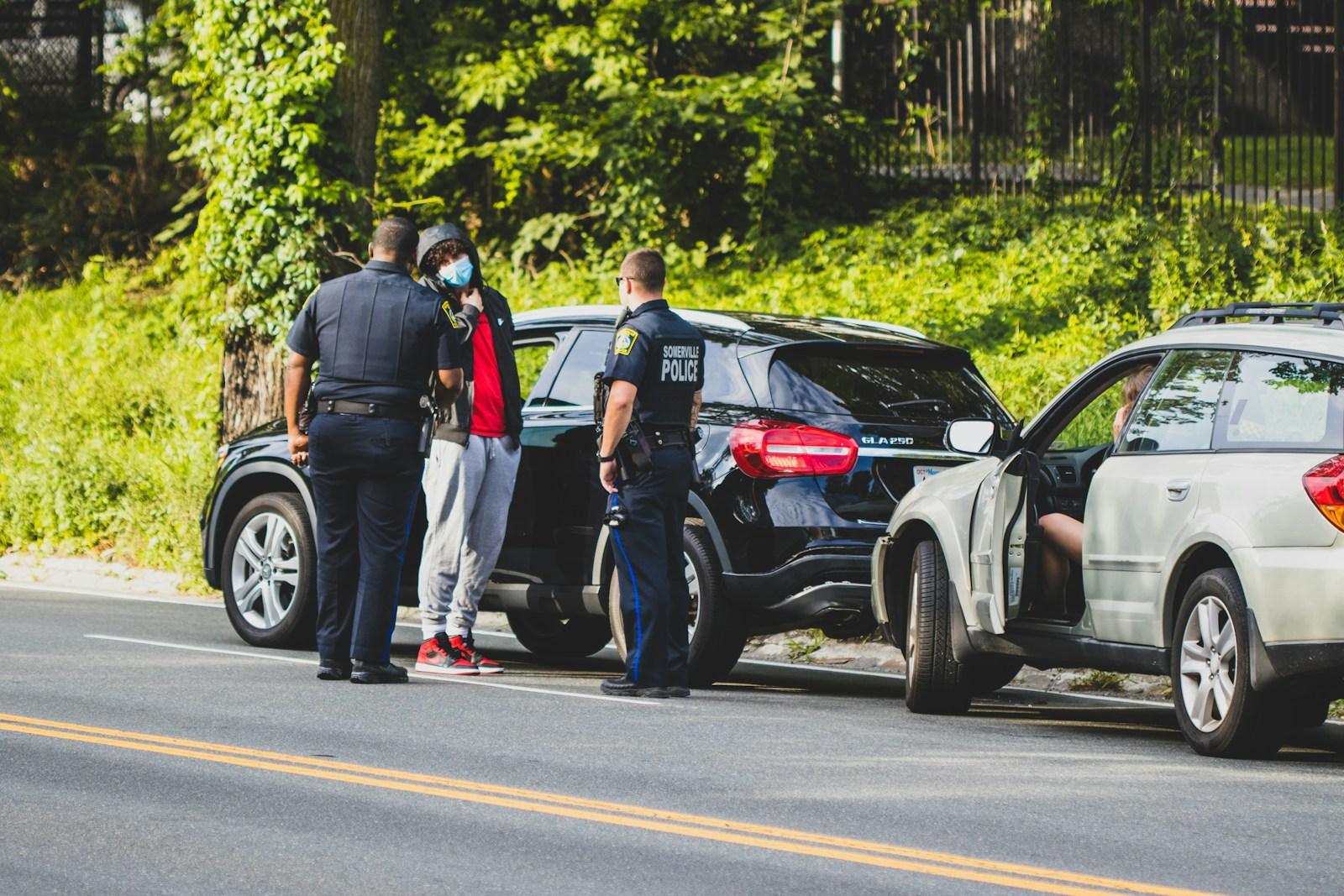
Contact the police to report the accident, even if it seems minor. A police report provides an official record that insurers often require. Officers will document the scene, gather statements, and create a report that supports your claim. Having this record helps prevent disputes later. Calling the authorities shows responsibility and ensures proper documentation.
3. Exchange Information With the Other Driver
Gather details from the other driver involved. Ask for their name, contact information, driver’s license number, and insurance details. Provide your information as well. Write down the make, model, and license plate of their vehicle. This exchange is essential for filing your claim. Without accurate information, your insurer may struggle to process coverage.
4. Document the Scene Thoroughly
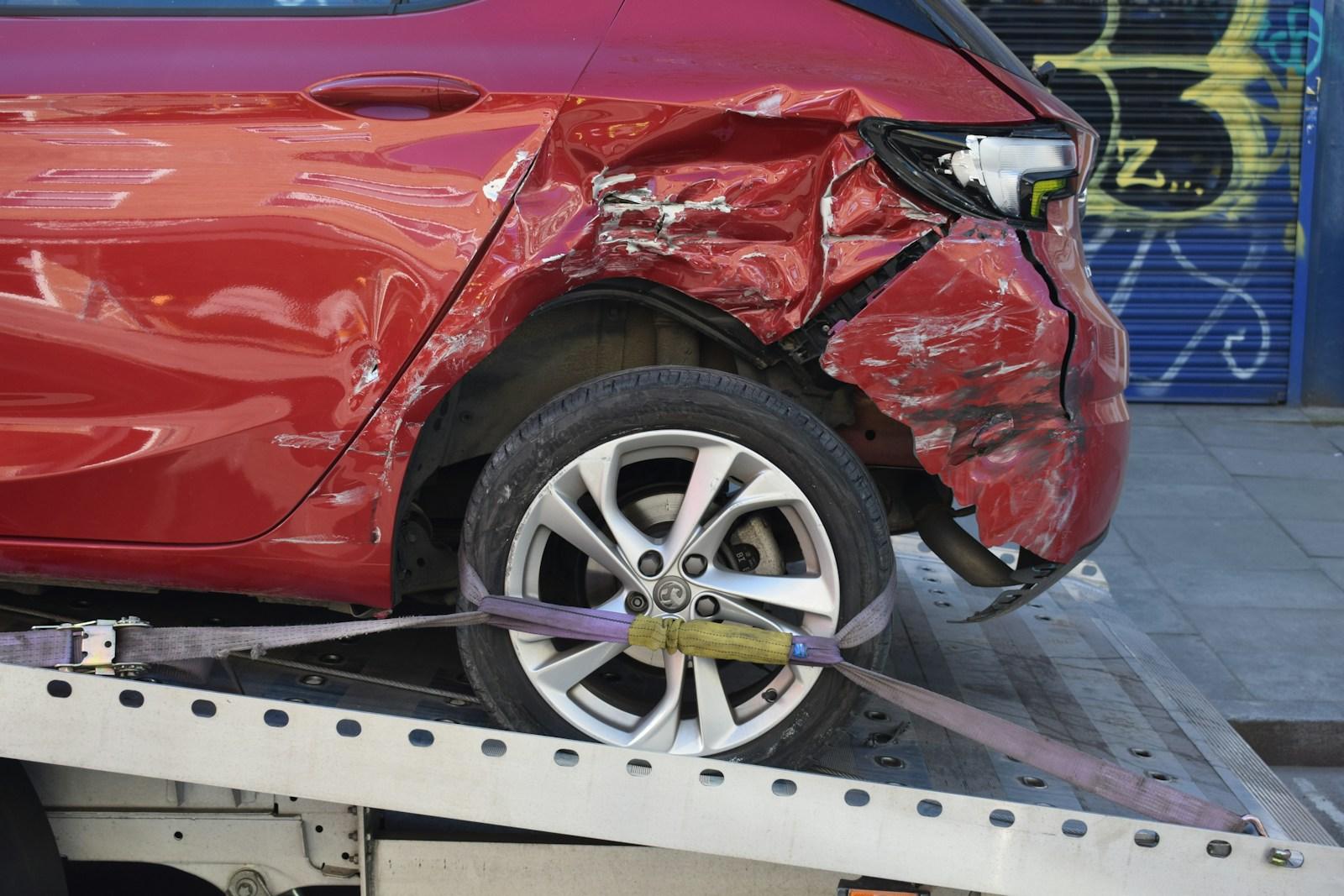
Use your phone to take photos of the accident scene. Capture vehicle damage, road conditions, traffic signs, and any visible injuries. Photos provide evidence that supports your version of events. Documenting the scene helps insurers understand what happened and reduces disputes. The more details you capture, the stronger your claim becomes.
5. Notify Your Insurance Company Promptly
Contact your insurance company as soon as possible. Provide them with the details of the accident, including the police report number and photos. Answer questions honestly and clearly. Prompt notification ensures your claim process begins quickly. Delays can complicate coverage and slow down repairs. Calling your insurer early shows responsibility and helps you move forward.
6. Cooperate With the Claims Process
Your insurer will assign a claims adjuster to review the accident. Cooperate fully by providing requested documents and answering questions. The adjuster may inspect your vehicle or speak with witnesses. Cooperation ensures the process moves smoothly and fairly. Being responsive helps you receive coverage faster and reduces frustration.
7. Understand Your Coverage
Review your policy to understand what is covered. Liability coverage pays for damages to others, while collision coverage pays for your vehicle. Comprehensive coverage handles non‑collision events like theft or weather damage. Knowing your coverage helps you understand what costs will be paid. This knowledge prevents confusion and helps you plan financially.
8. Keep Records of All Communications
Maintain a file with all accident‑related documents. Include police reports, medical bills, repair estimates, and insurance correspondence. Keeping records ensures you have proof if disputes arise. Organized documentation helps you track progress and stay informed. This step protects you and makes the process less stressful.
9. Follow Up on Repairs and Medical Care
After your claim is approved, arrange for vehicle repairs. Choose a repair shop approved by your insurer if required. Keep receipts and records of all work completed. If you or passengers were injured, follow medical advice carefully. Document treatments and expenses for reimbursement. Following up ensures you recover both physically and financially.
10. Learn From the Experience
Accidents are stressful, but they also provide lessons. Review what happened and consider how to prevent future incidents. Check whether your coverage needs adjustments, such as higher liability limits or roadside assistance. Learning from the experience helps you feel more prepared. It turns a difficult moment into an opportunity for growth.
A car accident can feel overwhelming, but knowing what to do makes it manageable. You learned to stay safe, call authorities, and exchange information. You discovered the importance of documenting the scene and notifying your insurer promptly. You understood how to cooperate with claims, review coverage, and keep records. You followed up on repairs and medical care, and finally, you learned from the experience. By following these steps, you protect yourself, support your family, and handle insurance with confidence.





Leave a Reply